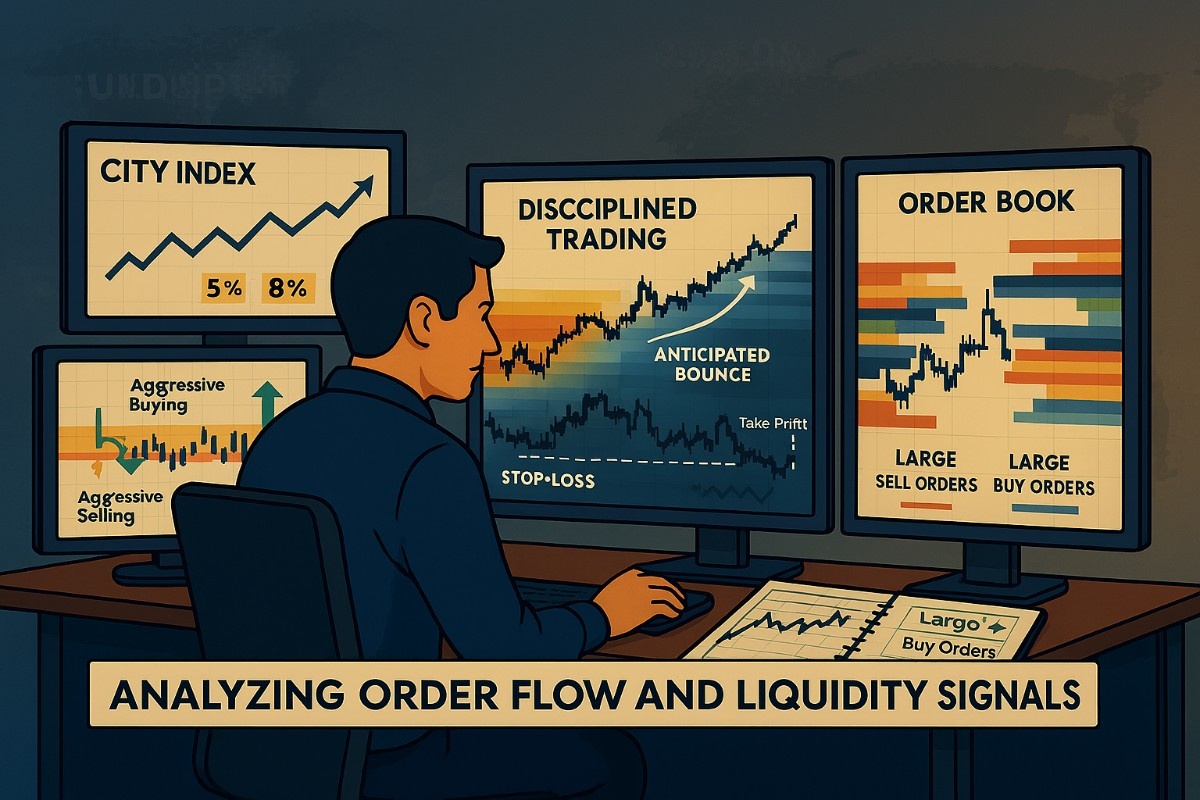
Successful trading on City Index platforms requires not only an understanding of market fundamentals but also a keen awareness of order flow and liquidity dynamics. Order flow provides insight into how large market participants are positioning themselves, while liquidity signals indicate the ease with which trades can be executed without significant price disruption. Together, these factors help traders anticipate short-term moves, adjust strategies, and manage risk more effectively.
Understanding Order Flow
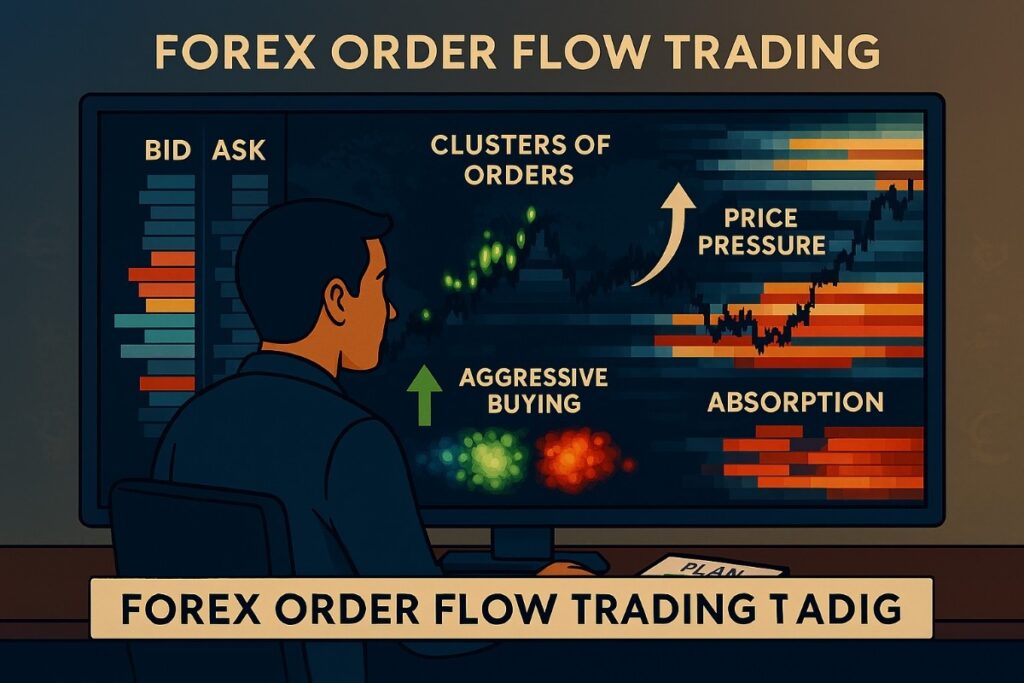
Order flow refers to the real-time buying and selling activity in the market. It reveals which direction larger participants, such as institutional traders or hedge funds, are leaning. Monitoring order flow is crucial because it often precedes price movements:
- Aggressive Buying/Selling: When a high volume of market orders targets a particular currency or index, price pressure is likely to follow.
- Absorption Levels: Significant limit orders can absorb incoming market orders, indicating potential support or resistance zones.
City Index provides data visualizations that highlight where clusters of orders are concentrated, allowing traders to gauge market sentiment with greater precision.
Liquidity Signals
Liquidity refers to the availability of counterparties to execute trades at desired prices. High liquidity ensures smoother trade execution, while low liquidity can lead to slippage and amplified volatility. Key liquidity considerations include:
- Time of Day: Major trading sessions, such as London and New York overlaps, typically provide higher liquidity and tighter spreads.
- Event Impact: Economic releases, central bank announcements, and geopolitical shocks can temporarily reduce liquidity, leading to erratic price movements.
City Index alerts and depth-of-market indicators allow traders to identify liquidity pools and anticipate areas where the market may react strongly.
Integrating Order Flow and Liquidity
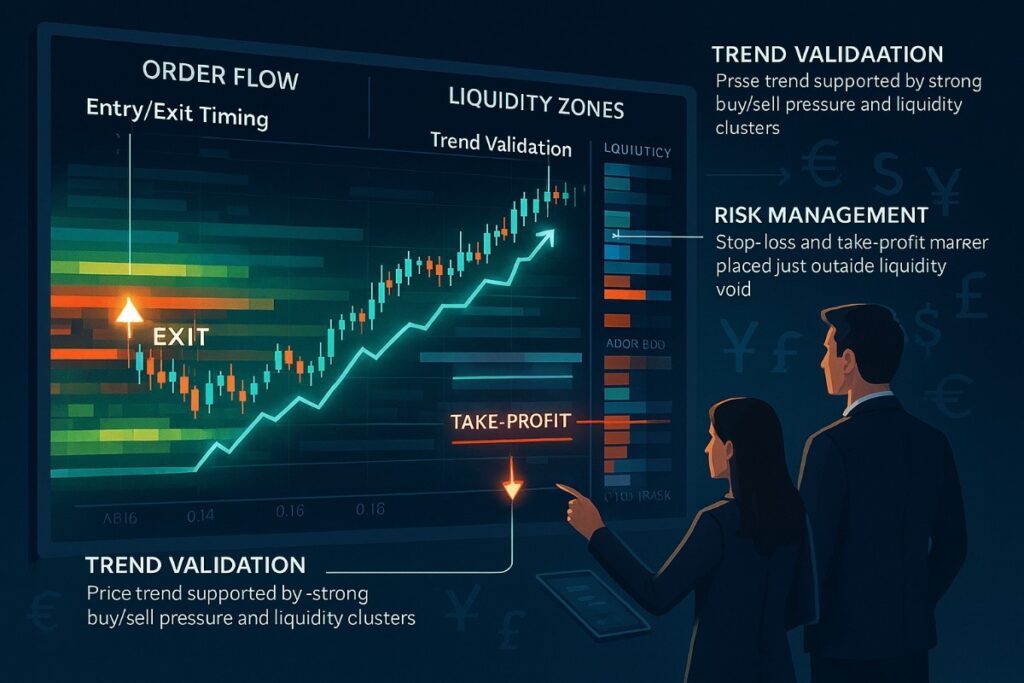
When combined, order flow and liquidity data create a powerful framework for decision-making:
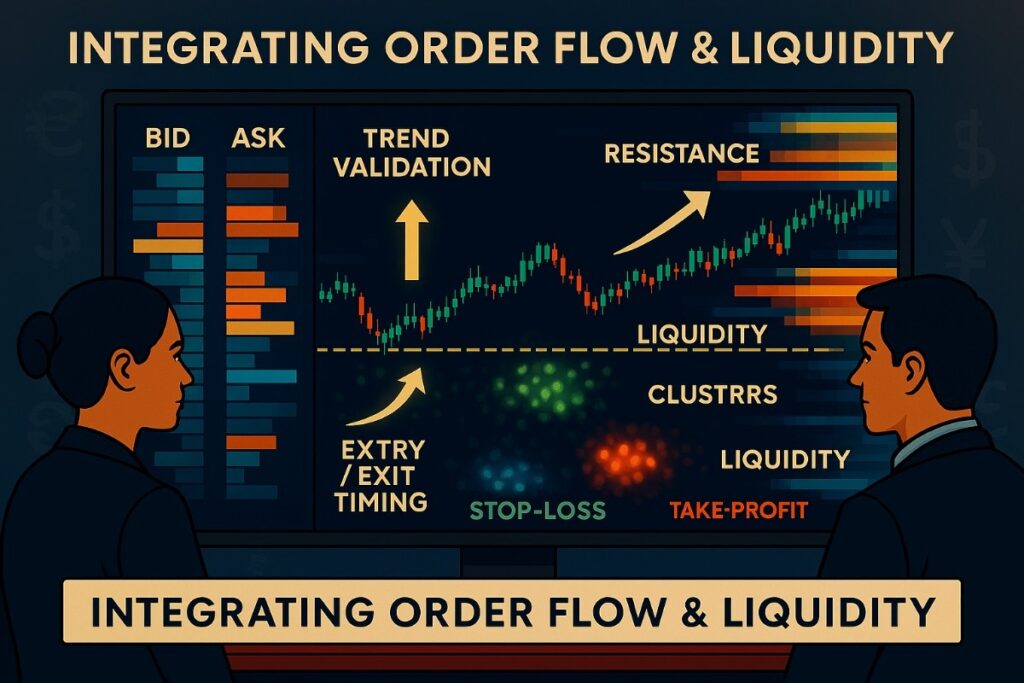
- Entry and Exit Timing: Traders can align entries with periods of robust liquidity while avoiding congested zones where execution risk is high.
- Trend Validation: Observing whether buying or selling pressure is supported by sufficient liquidity helps confirm whether a trend is likely to continue.
- Risk Management: Understanding where liquidity dries up enables better placement of stop-loss and take-profit levels to avoid unnecessary slippage.
City Index provides traders with comprehensive order book data, real-time trade prints, and market depth insights, making it easier to incorporate these signals into a disciplined trading approach.
Practical Applications
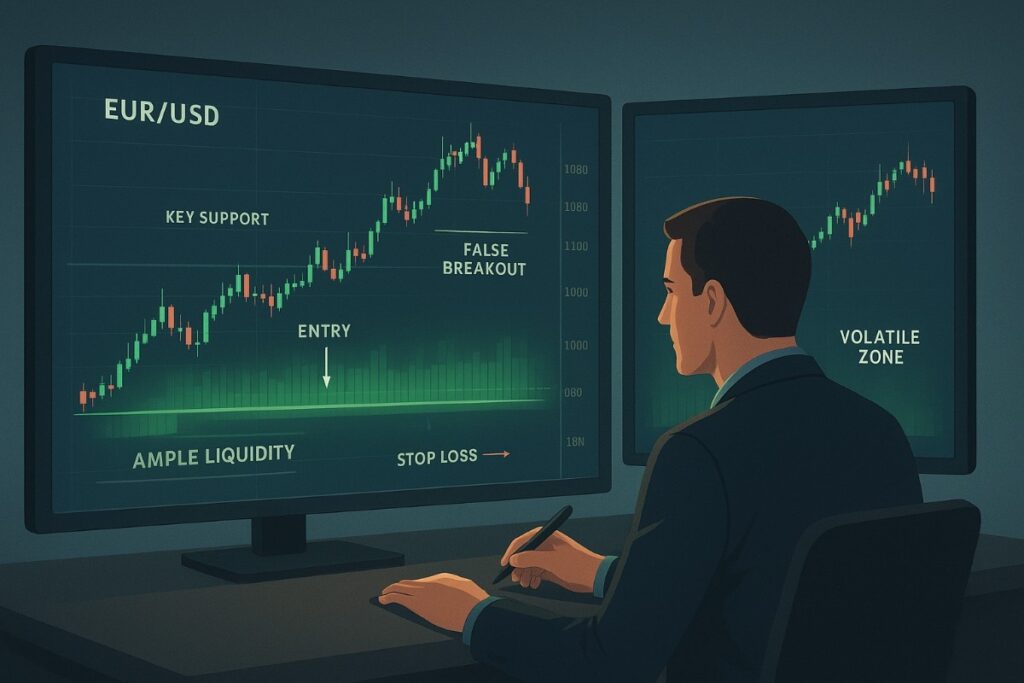
For example, a trader monitoring EUR/USD may notice significant buying interest emerging near a key support level. If liquidity is ample and order flow indicates strong institutional participation, this could signal a higher probability of an upward bounce. Conversely, low liquidity in the same scenario might increase the risk of a false breakout, requiring tighter stops or reduced position size.
Similarly, traders using City Index to follow equity indices can analyze where large market participants are concentrated, anticipate short-term volatility, and position themselves accordingly. By integrating order flow and liquidity signals, traders gain an edge in timing entries and exits more effectively.
Benefits for City Index Traders
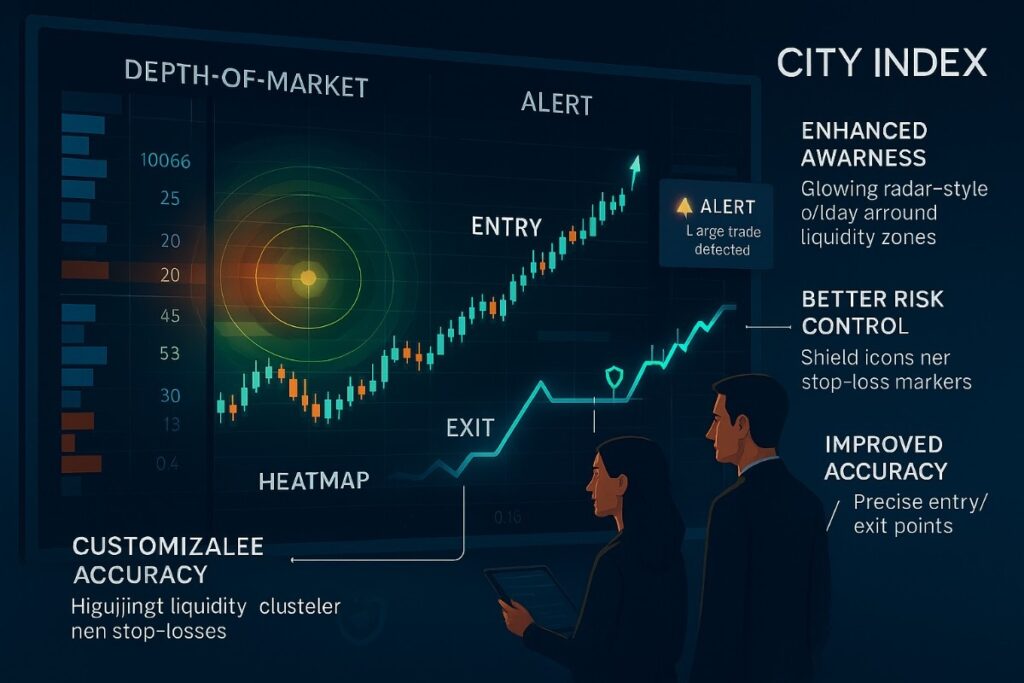
- Enhanced Market Awareness: Real-time data on large orders and liquidity distribution improves situational awareness.
- Better Risk Control: Anticipating market stress points reduces exposure to unexpected price swings.
- Improved Trade Accuracy: Aligning technical and fundamental analysis with order flow insights increases the probability of successful trades.
City Index platforms equip traders with the tools to monitor these dynamics, including depth-of-market charts, heatmaps, and customizable alerts for large trades.
Final Thoughts
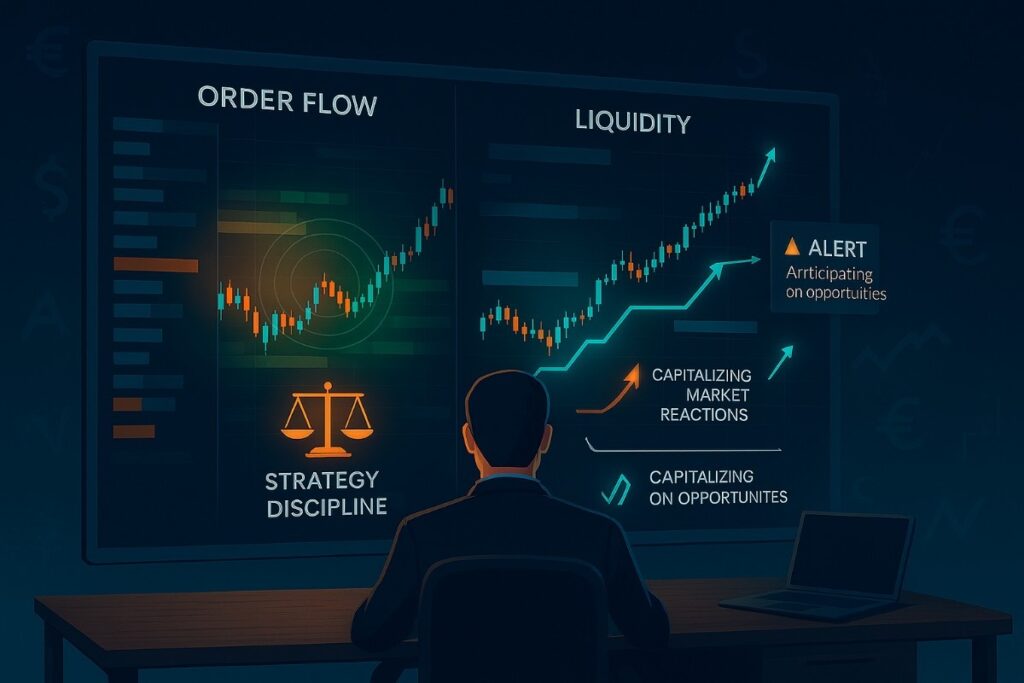
Order flow and liquidity analysis are essential components of a sophisticated trading strategy. By leveraging City Index’s detailed data, traders can better anticipate market reactions, manage risk, and capitalize on short-term opportunities. Understanding where participants are positioned and how liquidity behaves under different market conditions gives traders a distinct advantage in fast-moving forex and equity markets.