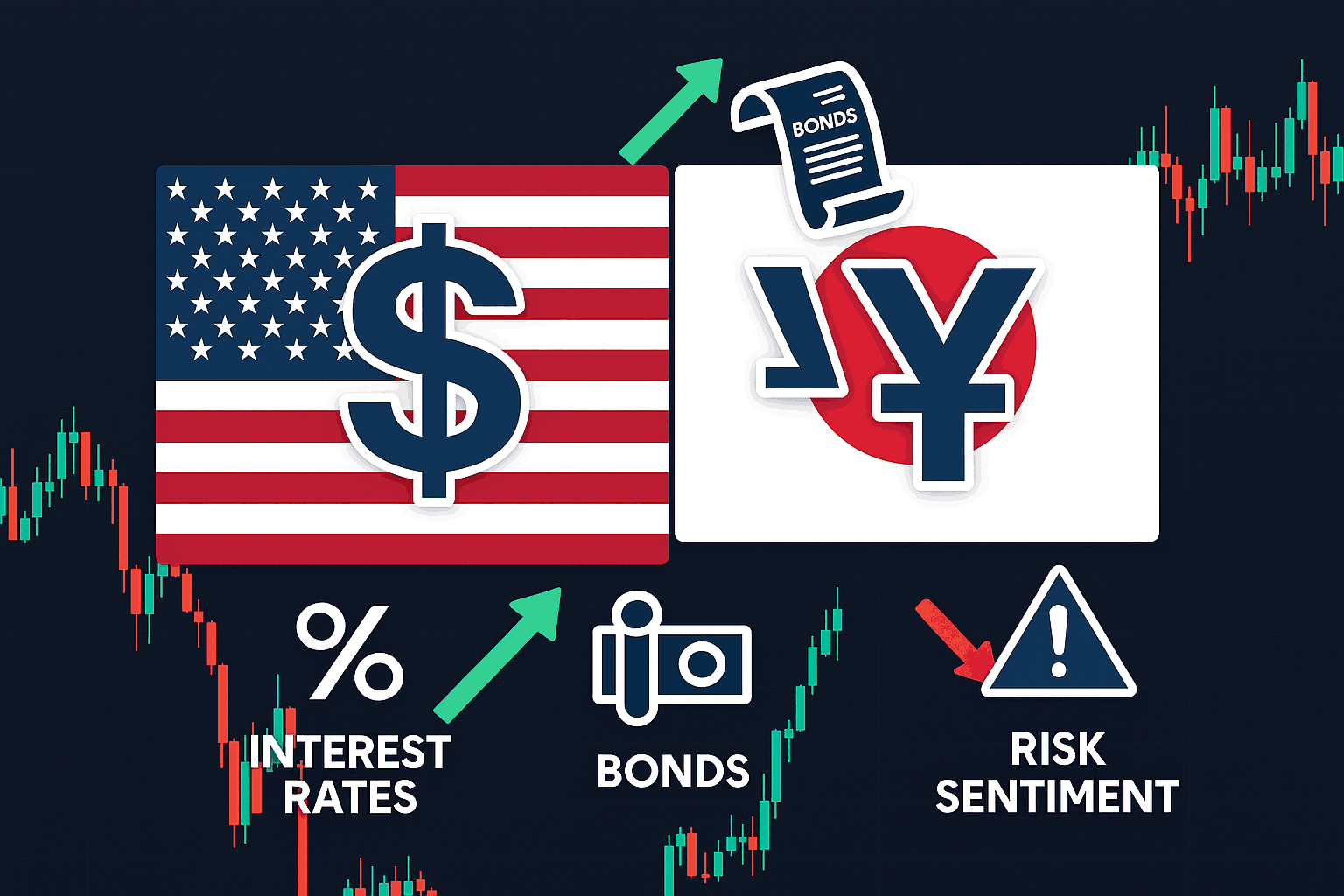
USD/JPY explained in full requires a deep look at the unique forces shaping this major currency pair. Representing the US dollar against the Japanese yen, USD/JPY is one of the most closely watched pairs in the forex market. Its movements are influenced by a unique combination of factors, including interest rate differentials, safe-haven flows, and global risk sentiment. Understanding these drivers is essential for traders seeking to navigate the pair’s behavior and capitalize on trading opportunities.
Yield Differentials
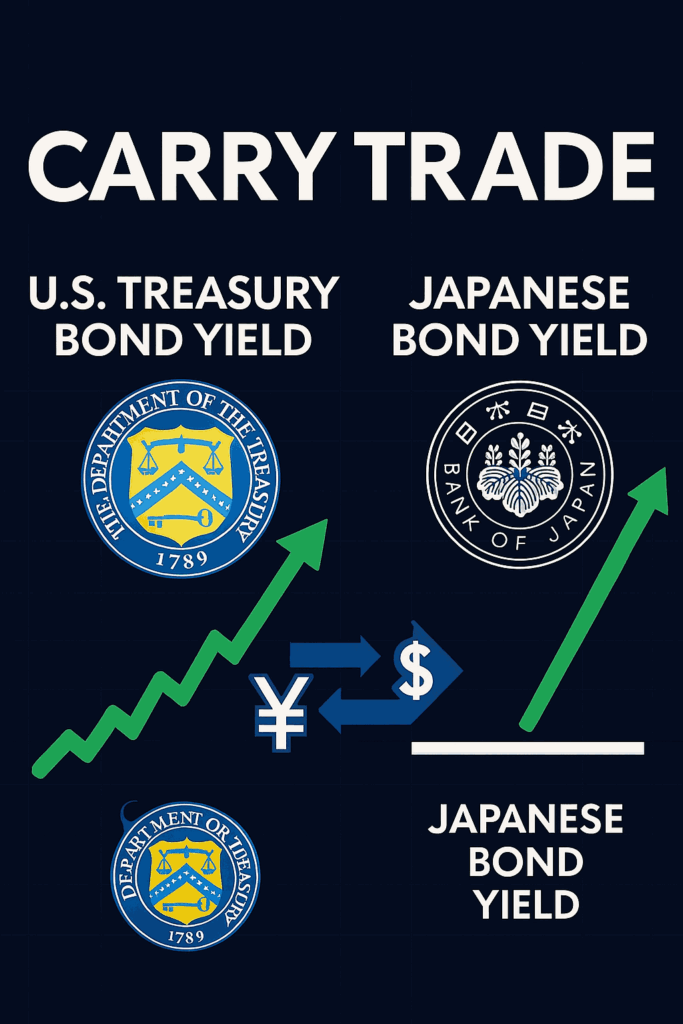
One of the primary factors influencing USD/JPY is the interest rate differential between the US and Japan:
- US Yields: When US Treasury yields rise, USD tends to strengthen against JPY because higher yields attract capital inflows seeking better returns.
- Japanese Yields: The Bank of Japan (BoJ) has maintained an ultra-low interest rate policy for years, often keeping yields near zero or negative. This creates a persistent carry trade opportunity, where investors borrow in yen and invest in higher-yielding USD instruments.
Traders closely monitor yield curves in both countries, as widening differentials often lead to strong USD/JPY trends, while narrowing spreads can trigger consolidation or reversals.
Safe-Haven Flows
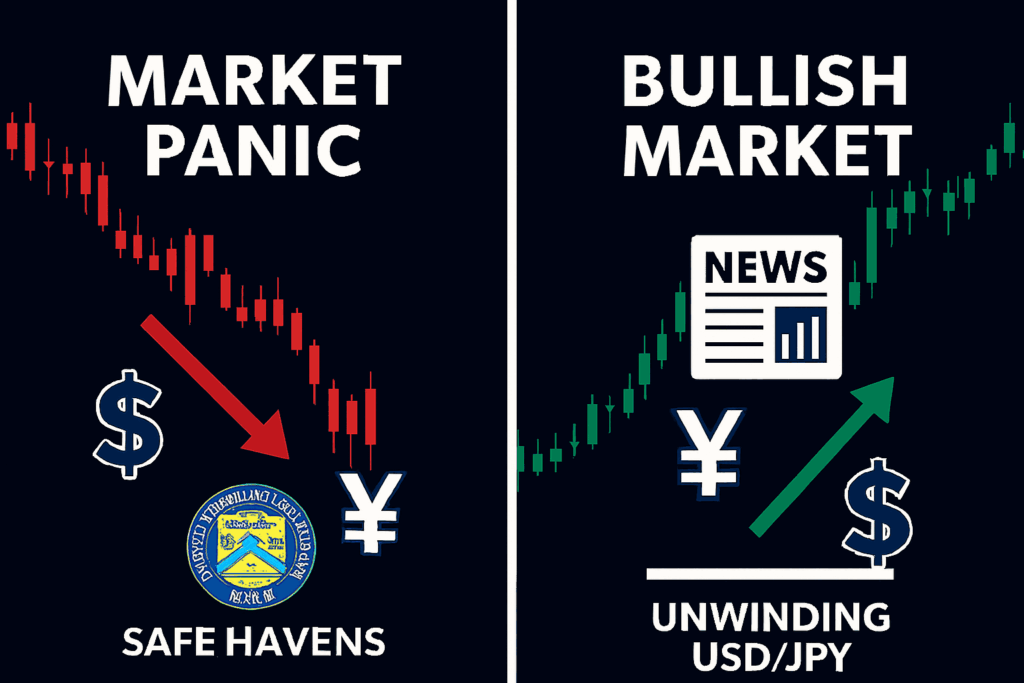
USD/JPY is also highly sensitive to global risk sentiment:
- Risk-Off Environments: During periods of market uncertainty, investors flock to safe-haven assets. The Japanese yen often benefits due to its reputation as a low-risk currency, while USD can also gain if the US dollar is seen as a global refuge. This dual safe-haven dynamic can produce sudden spikes in USD/JPY.
- Risk-On Environments: When global markets are bullish, traders may unwind yen-funded carry trades and favor higher-risk assets. In such cases, USD/JPY may decline as capital moves away from safe-haven yen.
Understanding the prevailing risk sentiment helps traders anticipate potential reversals and manage exposure during volatile market periods.
Trade Ideas and Technical Considerations
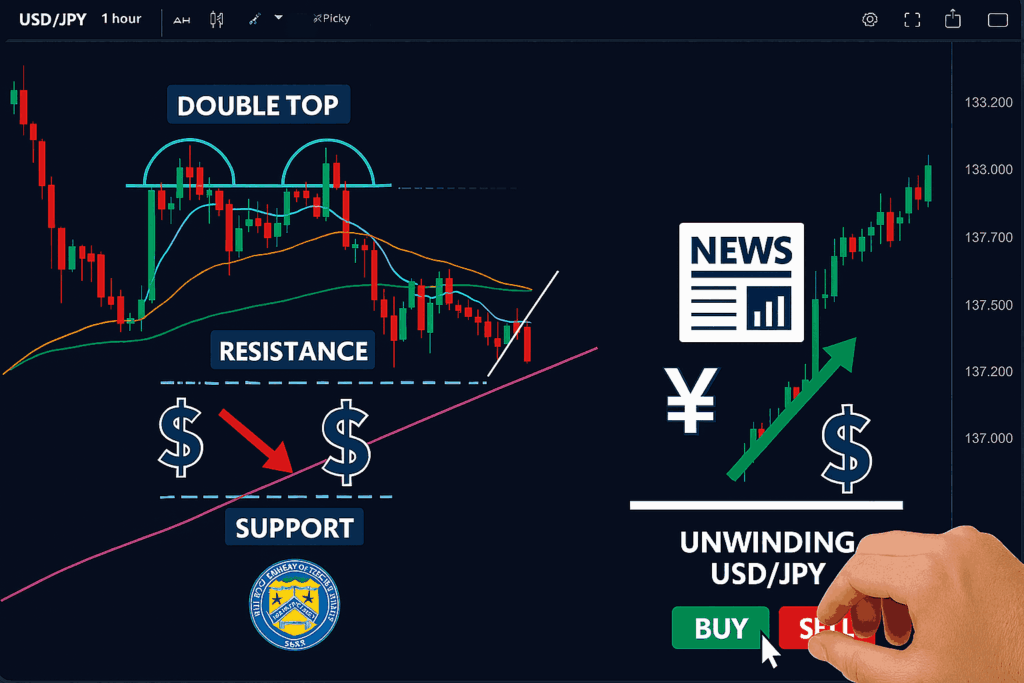
Technical analysis complements fundamental insights, providing actionable trade ideas:
- Support and Resistance Levels: Identifying historical price levels where USD/JPY has consistently reversed or stalled allows traders to set precise entry and exit points.
- Trend Analysis: Using moving averages, trendlines, and momentum indicators helps determine whether USD/JPY is in a bullish, bearish, or consolidating phase.
- Chart Patterns: Patterns such as double tops, triangles, and flags can signal continuation or reversal setups. Recognizing these formations can improve trade timing and risk management.
- Volatility Metrics: Monitoring average true range (ATR) and other volatility indicators ensures traders adjust position sizes appropriately during periods of heightened market movement.
A practical example: if US Treasury yields rise sharply while global equities experience a minor sell-off, USD/JPY may spike higher. Traders could enter a long position near technical support, targeting a resistance zone while setting stop-loss levels to manage downside risk.
Key Considerations for Traders

- Economic Calendars: Regularly tracking US and Japanese economic releases, such as CPI, GDP, and employment data, is crucial for anticipating market reactions.
- Central Bank Policy: Fed and BoJ announcements, especially regarding interest rates or quantitative easing, can cause rapid and significant USD/JPY movements.
- Correlation Monitoring: USD/JPY often correlates with US Treasury yields, equity indices, and global risk indicators. Recognizing these relationships helps traders refine trade setups and hedge positions effectively.
Final Thoughts

USD/JPY trading requires a comprehensive approach that combines yield differentials, safe-haven flows, and technical analysis. By understanding the interplay between economic indicators, global risk sentiment, and price patterns, traders can make informed decisions, manage risk, and capitalize on market opportunities. Whether for carry trades, short-term swings, or risk-on/risk-off positioning, a disciplined strategy that integrates fundamental and technical insights is key to success with this globally significant currency pair.