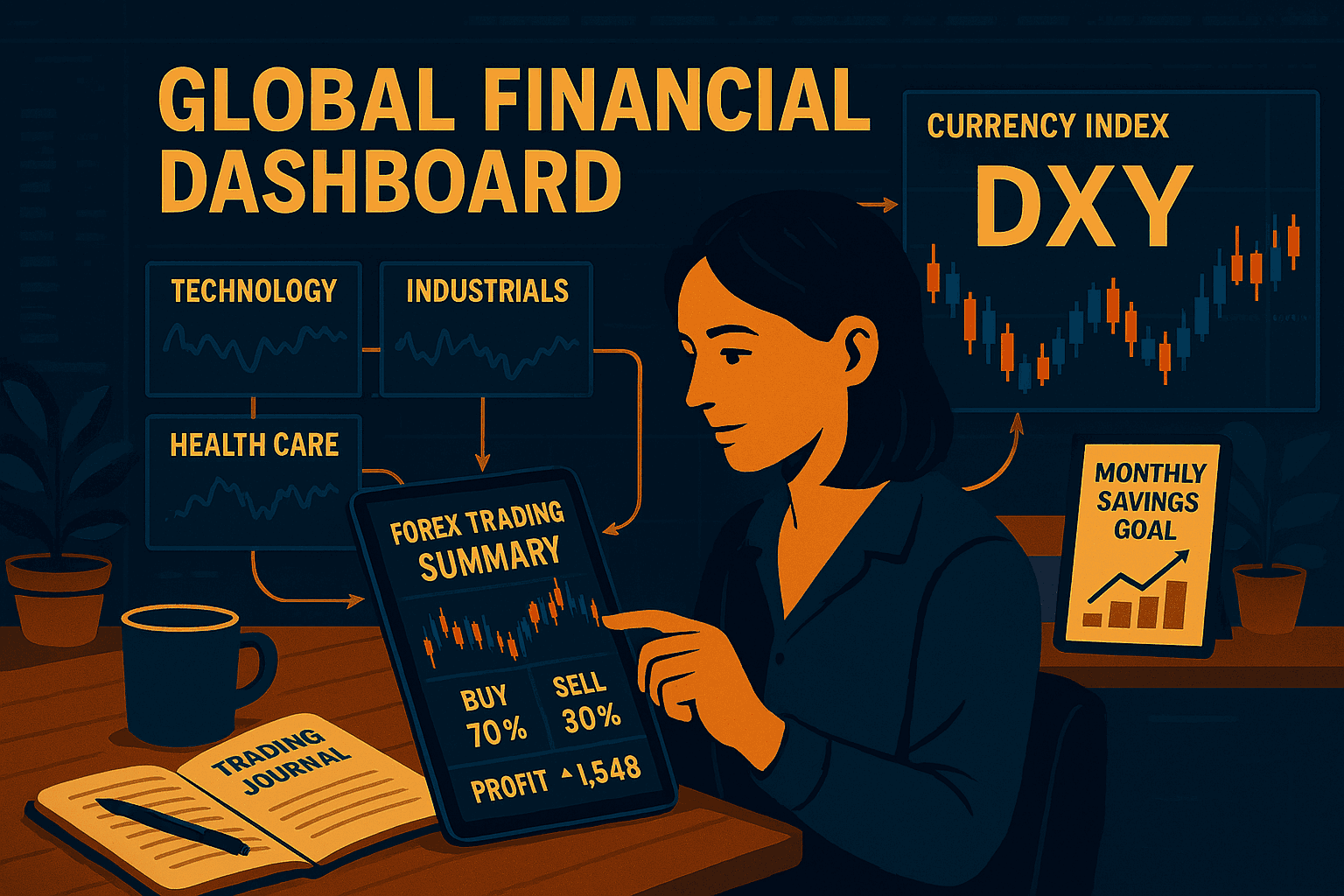
Forex markets are not isolated entities they are deeply influenced by broader financial markets, including key sectors and commodities. Understanding how sector movements and commodity price shifts impact currency indexes is crucial for traders looking to anticipate trends and refine strategies. Currency indexes, such as the US Dollar Index (DXY) or commodity-linked currencies like AUD and CAD, often respond to developments in global equities, energy, and raw materials markets.
How Sectors Influence Currency Indexes
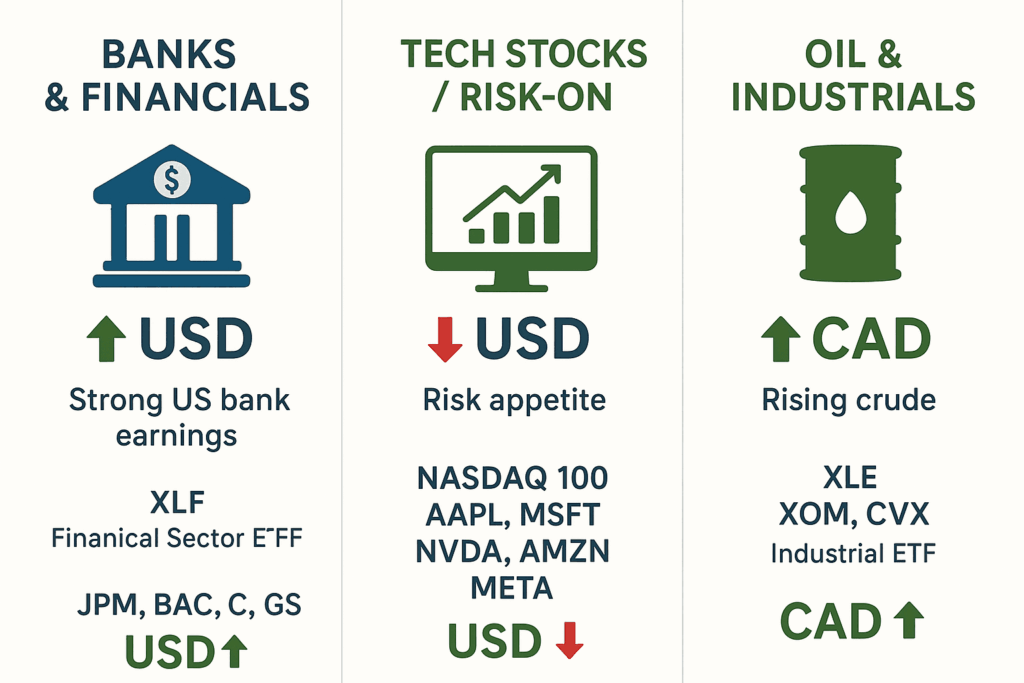
Each major sector of the economy can influence currency movements in unique ways:
- Financials: When banks or financial institutions report strong earnings or risk exposure changes, the domestic currency may strengthen or weaken accordingly. For instance, robust US bank earnings often support USD strength, reflecting confidence in economic stability.
- Technology: Tech-heavy indices like NASDAQ can sway risk sentiment. Positive sector performance often encourages risk-on behavior, boosting commodity-linked currencies while potentially pressuring safe-haven currencies like USD and JPY.
- Energy & Industrials: Performance in energy or industrial sectors affects currencies tied to commodity exports. Rising energy prices can strengthen currencies such as CAD, which has a high correlation with crude oil.
City Index traders benefit from tracking sectoral ETFs and indices to gauge sentiment and anticipate currency index reactions.
Commodity Market Effects
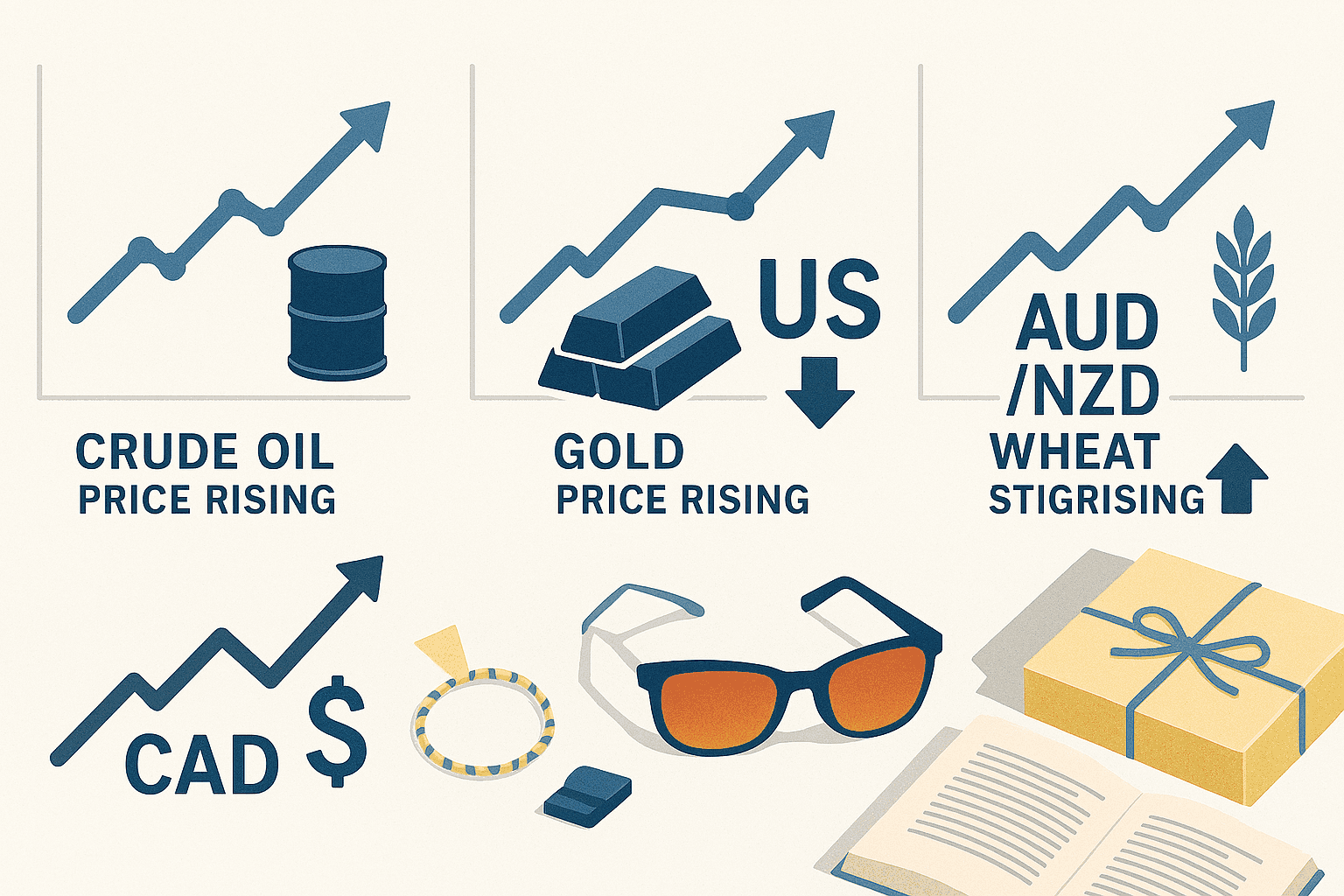
Commodities play a significant role in currency index movements, particularly for commodity-linked currencies:
- Crude Oil: The price of oil directly influences CAD due to Canada’s status as a major oil exporter. A surge in oil prices often leads to CAD appreciation, impacting the DXY indirectly.
- Precious Metals: Gold and silver are closely linked to USD and other major currencies. Rising gold prices can signal a weaker USD, as investors seek safe-haven alternatives.
- Agricultural Products: Corn, wheat, and other commodities affect currencies of exporting countries, such as AUD and NZD, which can indirectly influence currency indexes through trade flows.
City Index provides tools to track commodity price changes alongside forex charts, enabling traders to see correlations and anticipate currency reactions.
Integrating Sector and Commodity Insights
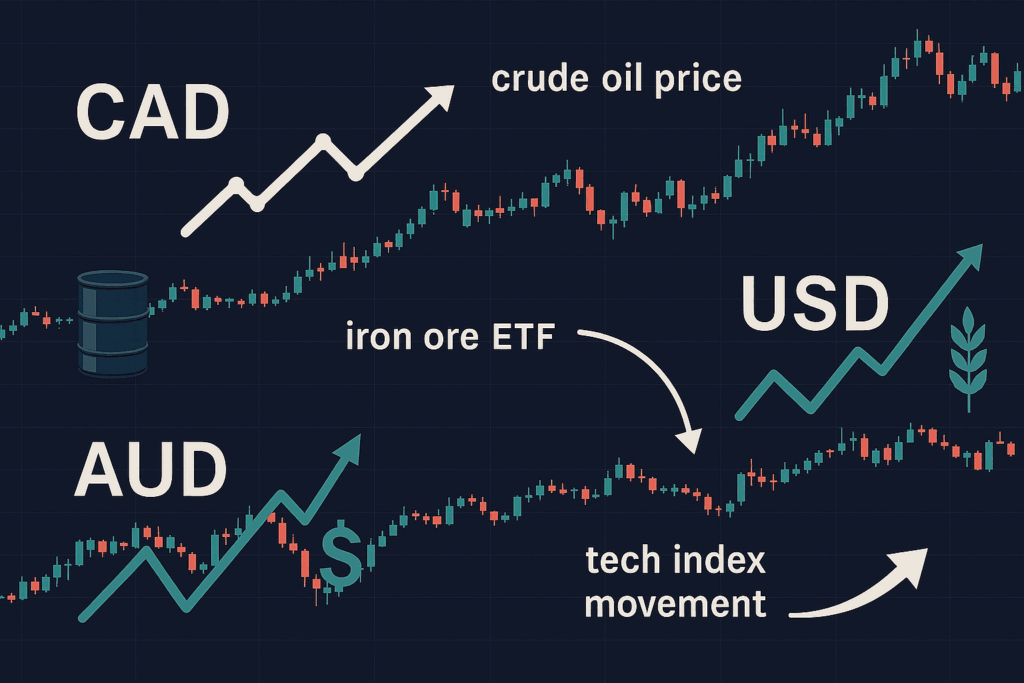
Effective trading requires combining sector and commodity analysis with technical and fundamental tools:
- Trend Anticipation: Observing strong sector movements or commodity price shifts can provide early clues about currency index direction. For example, a tech rally may indicate risk-on sentiment, potentially weakening USD against risk-sensitive currencies.
- Correlation Identification: Understanding historical correlations between commodities, sectors, and currency indexes helps predict market reactions. CAD often moves in tandem with crude oil, while AUD may follow iron ore and other commodities.
- Risk Management: Awareness of cross-market influences allows traders to adjust stop-loss and position sizing, especially during periods of heightened volatility.
City Index’s real-time data feeds allow traders to overlay sector and commodity information directly onto forex charts for actionable insights.
Practical Example
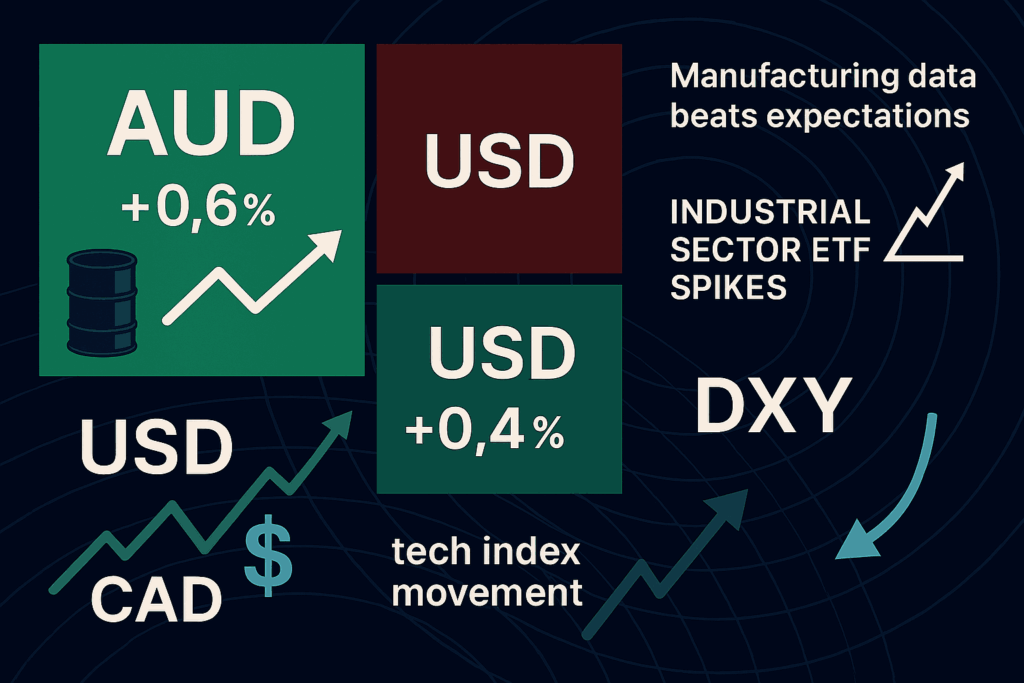
Consider a scenario where global industrial stocks surge due to strong manufacturing data. Traders might notice AUD and CAD gaining against the USD, reflecting risk-on sentiment and increased demand for commodities. Simultaneously, the USD component of the DXY may weaken, while currency pairs like USD/AUD or USD/CAD respond accordingly. By monitoring these relationships, traders can enter trades with higher confidence and optimize timing for entries and exits.
Benefits for City Index Traders
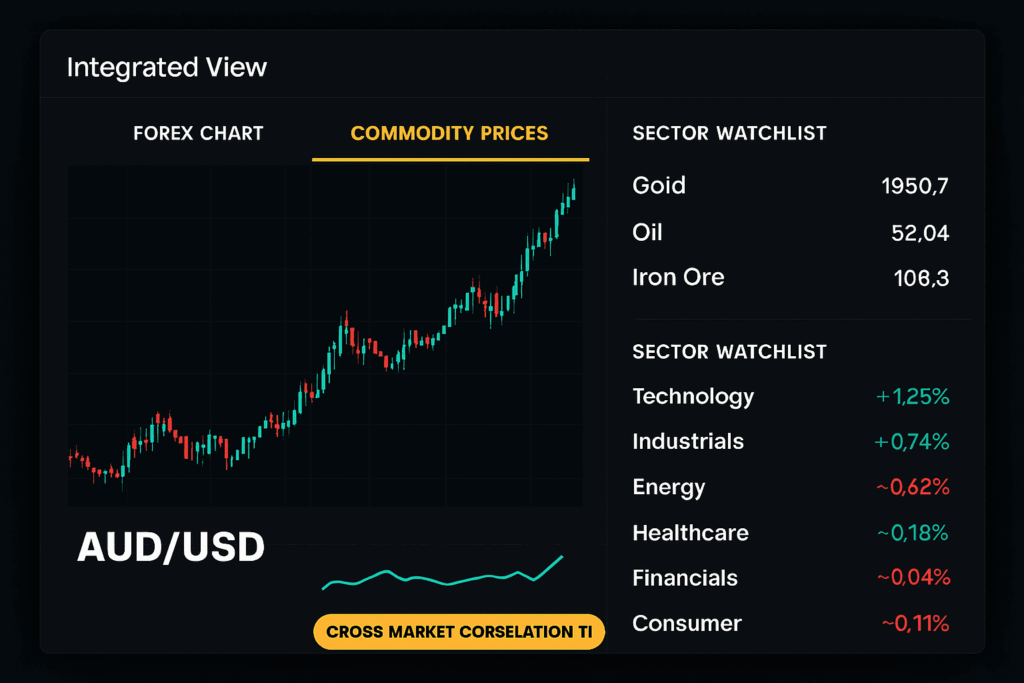
- Informed Decisions: Real-time access to sector and commodity data provides actionable insights.
- Enhanced Trade Accuracy: Predicting currency index responses based on correlated markets can improve success rates.
- Strategic Planning: Integrating multiple market signals allows for more robust trading strategies, mitigating the impact of unexpected volatility.
Final Thoughts
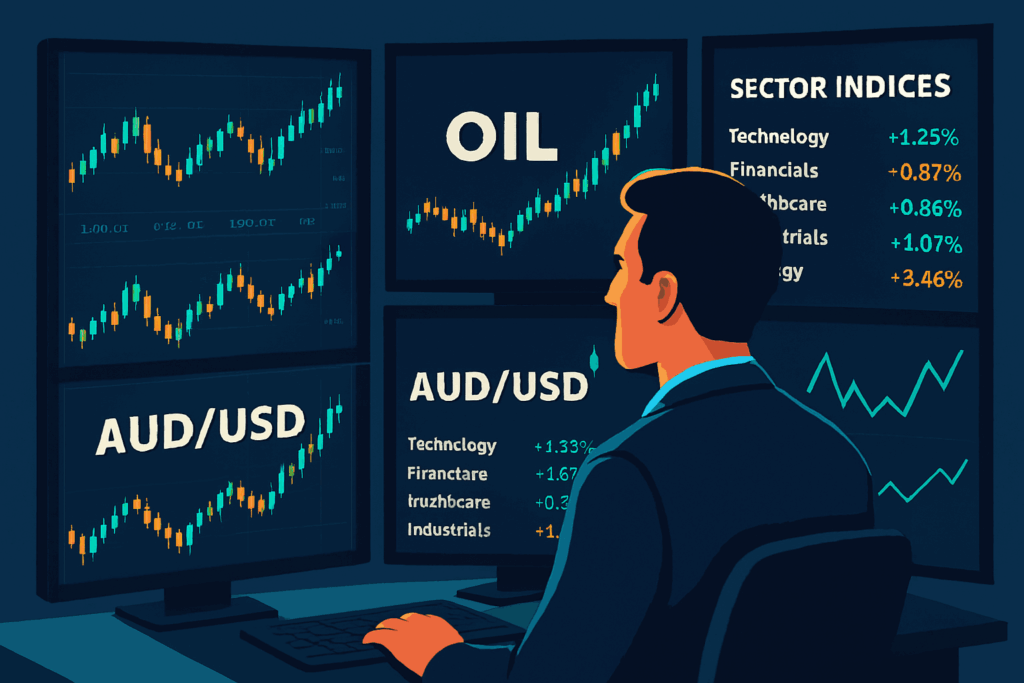
Sector movements and commodity price changes have a profound effect on currency indexes. Traders who incorporate these factors into their analysis gain a deeper understanding of market mechanics, enabling more informed and strategic trading decisions. City Index platforms equip traders with the necessary tools to track these correlations, helping them anticipate currency index fluctuations and capitalize on opportunities across global markets.